
Image
Florence-2 Dense Region Captions
Describe individual image regions with Florence-2 dense region captions.
- Image editing
Sign in to create. Review the credit cost in the studio before running.
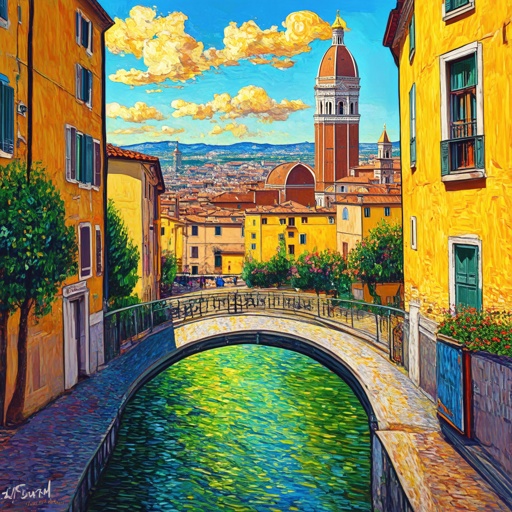
Catalog preview for Florence-2 Dense Region Captions. Review your own result before publishing.
A starting point.
Describe individual image regions with Florence-2 dense region captions. Use these localized descriptions when reviewing a scene’s objects and relationships.
Before you publish.
Read each label alongside its region. Correct imagined attributes or relationships before turning the results into published captions or alt text.
Review the quote before running. A failed generation releases its reserved credits. Download the results you want to keep; stored media is retained for 30 days.
Settings and model questionsCheck the available settings and guidance when preparing your input.
Inputs and settings
Send image_url without a prompt.
Review results.bboxes and their labels together. Keep the source dimensions available when interpreting region coordinates.
Inputs, all modes and APIModel IDs, current input limits and the API generation workflow.
Supported inputs
These fields come from the current studio form for florence-2-large/dense-region-caption. Other modes may require different inputs.
| Input | Type | Requirement |
|---|---|---|
image_url | Text | Required |
Check the full model schema for all options and cross-field rules. Request a quote for your selected settings before generating.
Use Florence-2 Dense Region Captions through the API.
Start with this model ID for the endpoint featured on this page:
florence-2-large/dense-region-caption
Input requirements belong to this model ID. Check a different mode’s schema separately when switching modes.
Check the current model schema for supported inputs and options. Other tasks may use different model IDs.
From quote to result.
Request a credit quote for your input and settings before submitting a generation. A sample output or the price of another model is not a quote for your request.
Follow the generation workflow, then poll the job for its status and result. The API and studio use the same balance.