
A creative application rarely ends with one model call. A product image becomes a video, the video needs a voiceover, and someone has to manage the requests, outputs and budget. When comparing fal.ai, Replicate and Raywake, start with that whole workflow.
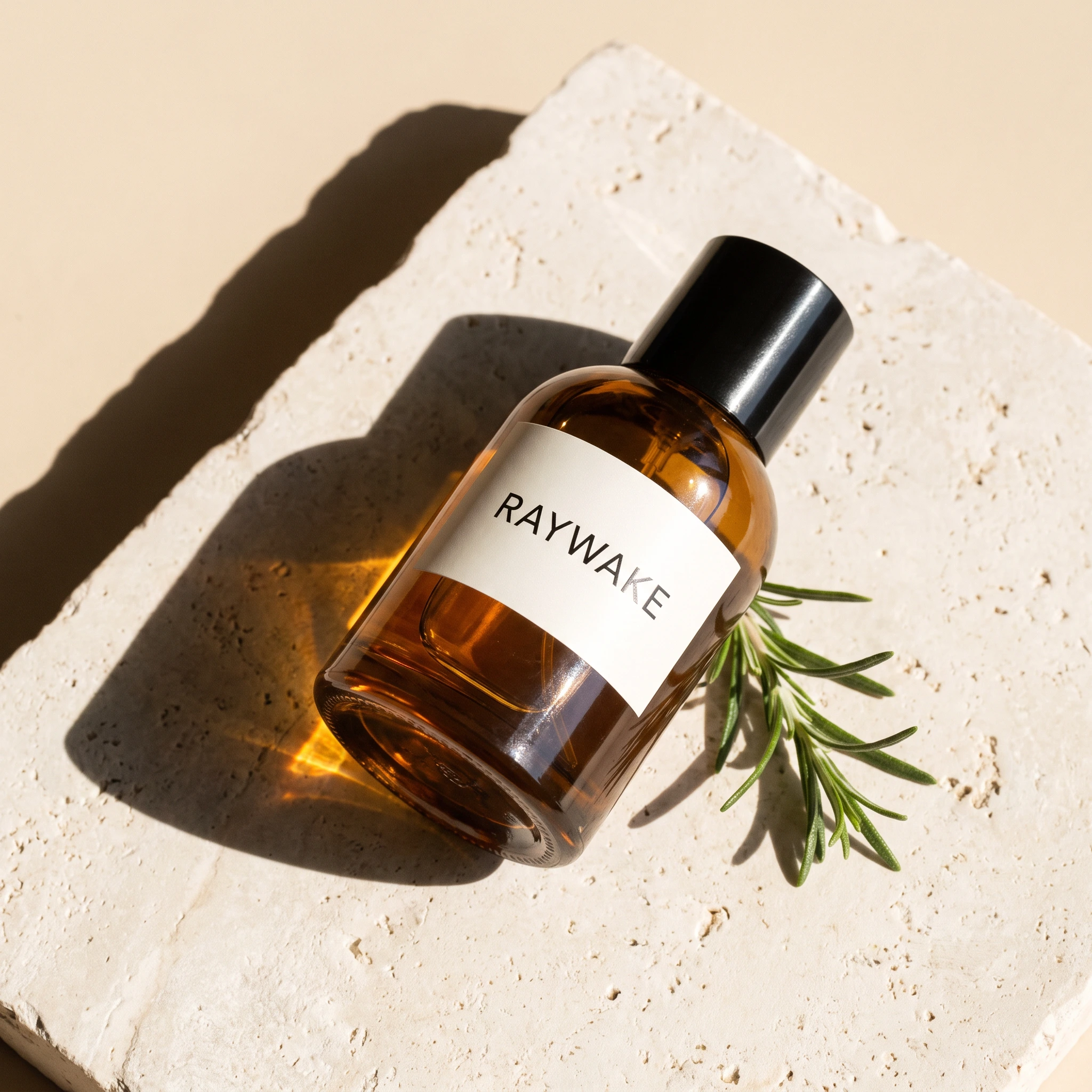
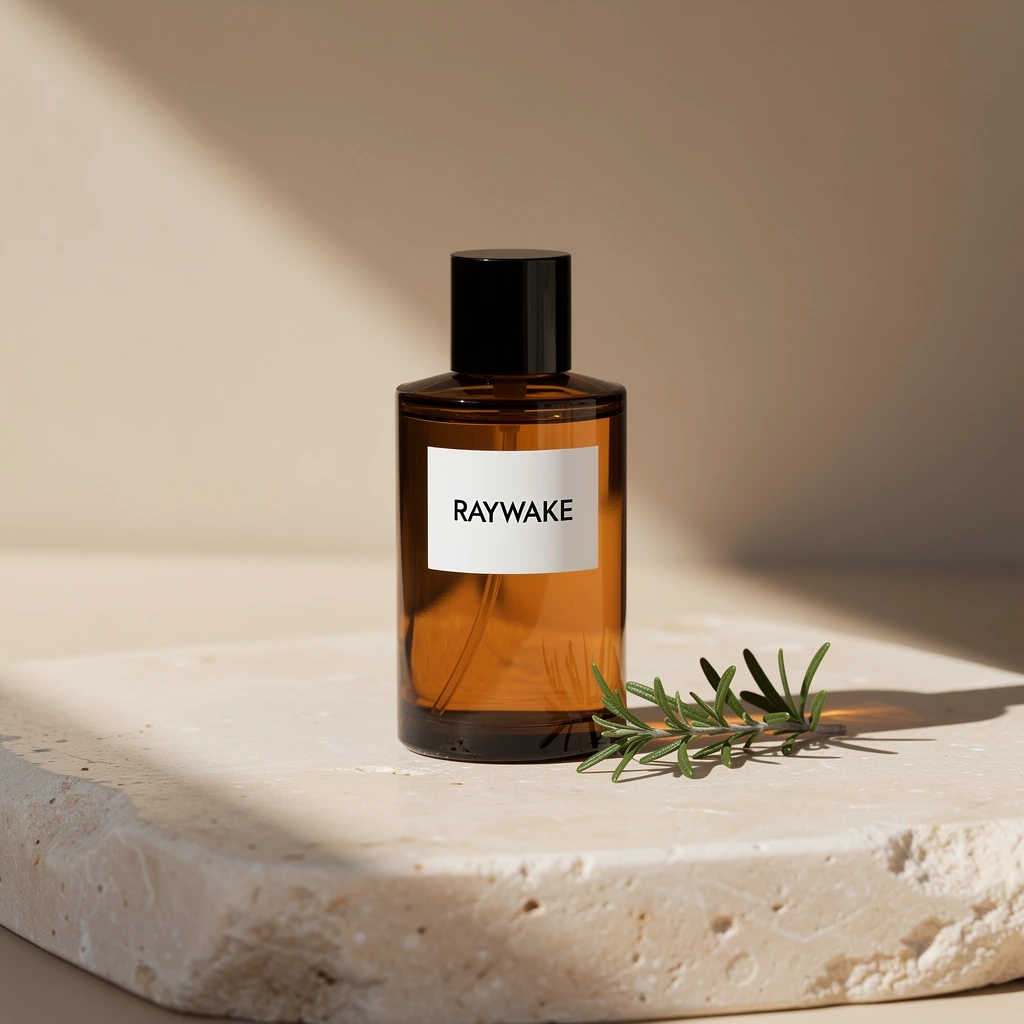
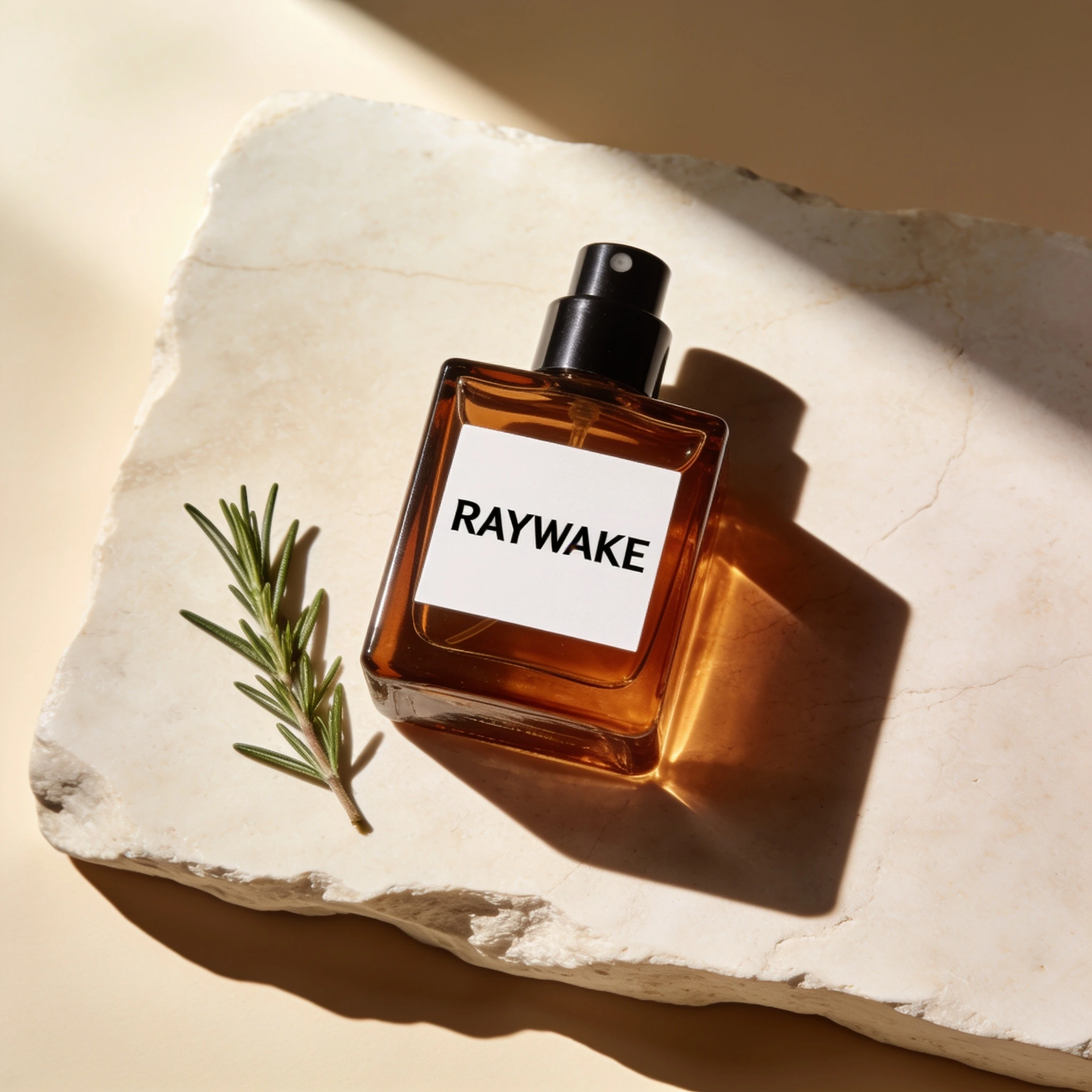
This article includes four real perfume-image outputs generated on Raywake on October 1, 2026: Nano Banana Pro, FLUX.2 Pro, Seedream 4.5 and GPT Image 2.5 Sunburst. The common prompt, individual settings and costs are recorded below. The four runs used 68 Raywake credits in total, with different resolutions; this is a documented workflow example, not a quality ranking.
All three expose model APIs, but the interface around a generation differs. This guide compares their documented request patterns and explains what to evaluate in your own project. It is written by Raywake and is an integration guide, not a latency, output-quality or price benchmark.
What should one API actually simplify?
A common API can simplify authentication, job handling and billing. It does not make every model accept the same input. An image endpoint may need a prompt and aspect ratio; a video endpoint may need a starting image; a speech endpoint may need text and a voice selection.
The useful separation is a shared job lifecycle plus model-specific input validation. Keep the application's progress, budget and output handling consistent, while building each request from the chosen endpoint's schema. Changing a model should not require rewriting the whole user experience, but it may require a new input adapter.
For example, a creator might approve a still frame before running video, then approve the clip before producing narration. Your application should be able to stop at either approval stage. A single button that automatically runs all three stages can spend credits on outputs that nobody wanted.
How do the request flows compare?
The table below summarizes documented interfaces as checked on September 30, 2026. Follow the linked documentation for current behavior and model-specific settings.
| Platform | Generation abstraction | Background work | What to check before integrating |
|---|---|---|---|
| fal.ai | A request to a model endpoint | Persistent queue, polling or webhooks | Endpoint input, queue request ID and result/error handling |
| Replicate | A prediction | Async prediction by default; sync mode is also available | Model type, input schema, prediction ID and output handling |
| Raywake | A quote followed by a generation job | Job polling; optional inline wait | Model schema, quote expiry, saved idempotency key and credit settlement |
fal.ai: work directly with endpoint requests
fal's asynchronous inference documentation describes submitting a request, receiving its request ID and retrieving status or results later. The queue exposes IN_QUEUE, IN_PROGRESS and COMPLETED; a completed request can carry an error, so completion alone is not a success check. Webhooks are another documented result path.
Evaluate this flow if your application needs direct control of queued requests. Save the request identifier and read the selected endpoint's response contract before translating queue states into the statuses shown to users.
Replicate: build around predictions
Replicate's prediction guide describes different creation endpoints for community models, official models and deployments. Async mode returns a prediction ID for later retrieval; sync mode can hold the request open for a result.
Evaluate the exact model route you plan to call. Treat its input and output contract as part of your integration, and keep the prediction ID when work continues beyond your initial request. A synchronous response option does not remove the need to handle a longer-running job.
Raywake: approve the quote before starting a job
Raywake separates the price check from generation. POST /v1/quotes returns the credits to reserve and an expiry; POST /v1/generate uses that quote with the same model and input. A saved Idempotency-Key identifies one intended generation. Poll GET /v1/jobs/{job_id} for status and outputs.
The studio and API share the account's credit balance. That is useful when a creator tries a prompt manually and a developer then automates the approved setup. Read the quote and credit lifecycle, especially the distinction between a fixed charge and an upper bound for measured usage.
What does a Raywake request look like?
Start by reading the catalog. This example retrieves a model's details without generating media or spending generation credits. Keep the key on your server and give it the models:read permission.
curl --fail-with-body https://api.raywake.com/v1/models/nano-banana-pro \
  -H "Authorization: Bearer $RAYWAKE_API_KEY"
The example uses Nano Banana Pro. The returned openapi document describes the model input. Use it when building the form and validate the final payload before quoting. The API quickstart covers the paid quote, generation and polling flow.
Compare one real workflow, not three catalog sizes
Write a small acceptance brief before choosing a platform. For a product launch clip, that brief might require an approved product frame, one continuous camera move, a landscape export and a separate voiceover. Then check whether the exact endpoints you need are available and meet their file-input requirements.
Evaluate the same requirement on each platform:
- Can the image stage produce or accept the frame you need?
- Does the video endpoint accept that frame in the required format?
- Can the audio stage meet the language and voice requirements?
- Can your application resume each stage after a network interruption?
- Can the team explain the total cost and retain the approved outputs?
Keep prompts, settings and input files in your test record. A different crop or clip duration makes a quality or cost comparison difficult to interpret. Measure your own end-to-end completion time rather than calling one platform faster based on a single showcase.
One perfume prompt, four real model outputs
On October 1, 2026, we ran one product-photo request on each of four Raywake models. All four jobs succeeded. The quotes totalled 68 Raywake credits and the final charges totalled 68 credits. This is one illustrative workflow sample per model, not a reliability study or a ranking of image quality.
The common prompt was:
A studio product photograph of an amber glass perfume bottle on pale limestone. Soft morning light from the upper left, a sharp shadow, a small sprig of rosemary beside the bottle, beige background. The bottle label reads RAYWAKE in clean black uppercase letters. One bottle, no people, no extra text. Square composition.
| Model | Exact Raywake model ID | Requested / returned dimensions | Quote / final credits | End-to-end time |
|---|---|---|---|---|
| Nano Banana Pro | nano-banana-pro | 2048 × 2048 | 24 / 24 | 20.9 s |
| FLUX.2 Pro | flux-2-pro | 1024 × 1024 | 5 / 5 | 11.1 s |
| Seedream 4.5 | bytedance/seedream/v4.5/text-to-image | 2048 × 2048 | 7 / 7 | 19.7 s |
| GPT Image 2.5 Sunburst | openai/gpt-image-2.5/sunburst/text-to-image | 2048 × 2048 | 32 / 32 | 48.0 s |
These were square compositions at supported native sizes. FLUX used 1024 × 1024 because the reviewed Raywake pricing contract did not accept our initial 2048 × 2048 quote. The other three used 2048 × 2048. Different output sizes prevent treating these timings and charges as an equal-resolution comparison. Time is measured from job creation to completion, including the platform queue and output handling; it is not isolated model inference time. Prices are a dated observation, not a current price promise.
Nano Banana Pro used aspect_ratio: "1:1", resolution: "2K", num_images: 1 and PNG output. FLUX used explicit 1024-pixel width and height with PNG output. Seedream used explicit 2048-pixel width and height and num_images: 1; its returned original was JPEG. GPT Image used explicit 2048-pixel width and height, quality: "high", num_images: 1 and PNG output. We did not force a common seed or rerun a result to choose a favourite. The displayed files are WebP copies for delivery; the generated compositions have not been cropped or retouched.
Nano Banana Pro
FLUX.2 Pro
Seedream 4.5
GPT Image 2.5 Sunburst
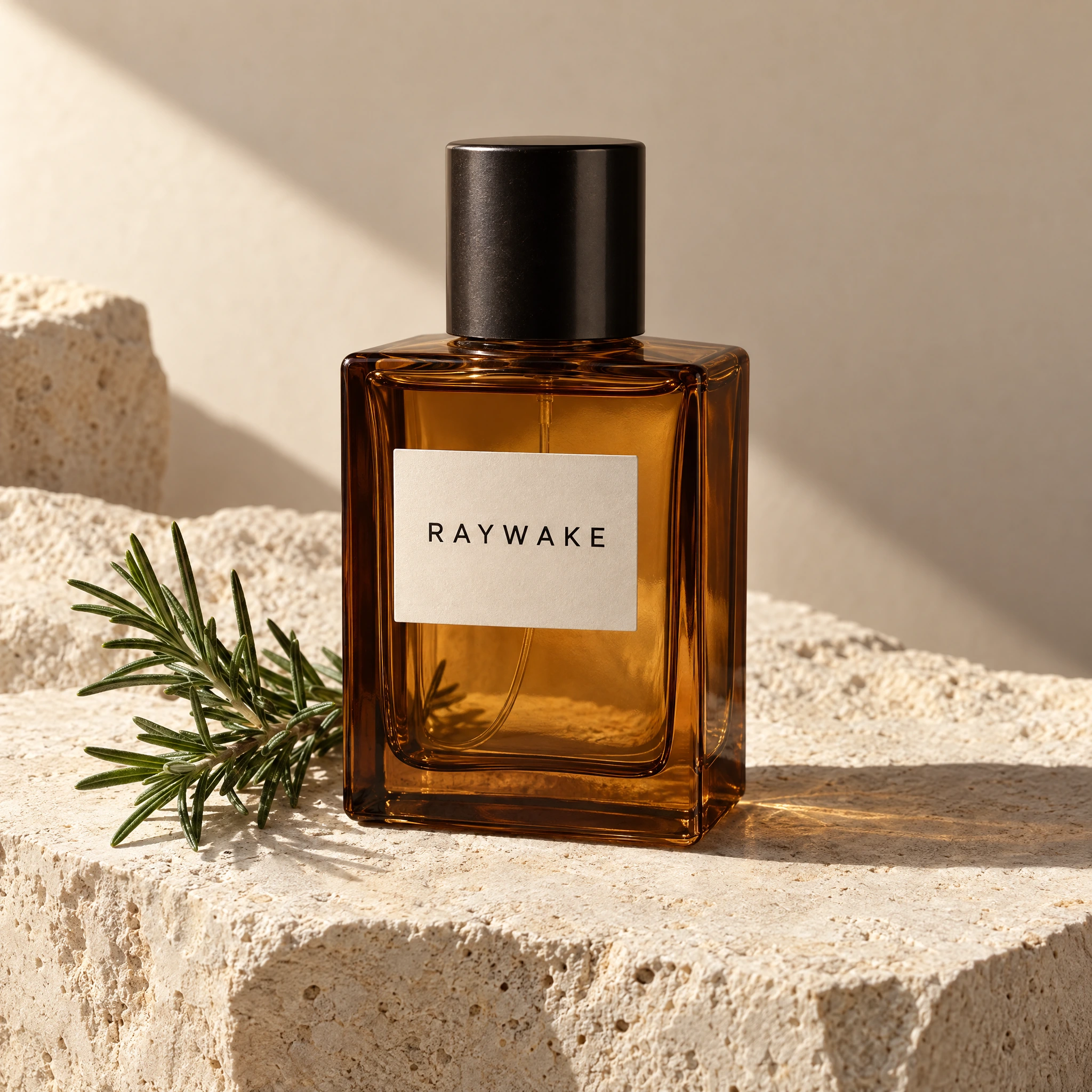
The same prompt produced different camera angles, bottle shapes and label treatments. Compare these actual outputs against your own acceptance brief. A commercial product workflow may need reference-image editing to preserve exact packaging; a text prompt alone did not impose one identical bottle design here.
How long can you retrieve Raywake outputs?
An output URL is a handoff, not permanent storage. Check retention and signed-link behavior for each service you use. In Raywake, generated media is retained for 30 days and output links are signed for 7 days; requesting GET /v1/jobs/{job_id} again can refresh the link while the file is still stored. A fresh link does not extend the 30-day retention period. Download approved results to your own storage.
Before passing an image into a video request, confirm that the image job succeeded and that its output is readable. Record both job IDs so the later clip can be traced to its source. Keep narration as a separate asset unless the selected video endpoint and your requirements specifically call for generated audio.
Choose by the work your team needs to finish
If your application already has its own queue, billing and creator interface, compare the documented API contracts against that architecture. If creators and developers need to work from the same model catalog and balance, evaluate Raywake's studio-to-API path alongside the direct APIs.
Choose with a small, repeatable workflow test. Availability, schemas and prices change; no static table replaces a current catalog check. To build the image stage first, follow the image-to-video walkthrough. To plan the budget and retry behavior, read AI video API costs.
Explore the studio workflow Build with the API quickstart